


 IT-
IT- ES-
ES- FR-
FR-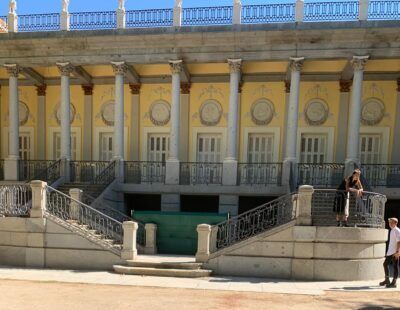
If you’re one of those who’ve always wanted to visit El Capricho Palace, you’re in luck. This palace, located on Madrid’s Alameda de Osuna, is experiencing one of the most exciting chapters in its long history. Read on to learn more about this palace, its anecdotes, interesting facts, and how you can visit it.
After decades of waiting, Madrid is preparing to have a new, first-class cultural and museum space. The renovation and future museumization of the palace represents the restoration of one of the city’s most unique and delicate heritage sites.
The rebirth of a jewel thanks to its restoration.
The El Capricho Palace has been undergoing a meticulous renovation for years, carried out in two main phases between 2022 and 2025, with an investment of over €6 million.
The first phase addressed the restoration of the facades, roofs, and structure, ensuring the building’s architectural protection. The second focused on the interior: the restoration of historic rooms, the restoration of ceiling paintings in the Duke and Duchess’s chambers, and the restoration of the original floor of the state dining room, known for reproducing the famous Issus mosaic found in Pompeii.
Now, the palace is entering the museumization phase, where it will be equipped for cultural use. Thematic tours will be designed around the history and Enlightenment context of 18th and 19th-century Madrid, and the rooms will be adapted for exhibitions, archives, events, and workshops.
It was the enlightened dream of the Duchess of Osuna.
El Capricho cannot be understood without the visionary figure of María Josefa Pimentel Téllez-Girón, Duchess of Osuna, who acquired the estate in 1783 and realized her dream of creating a “Versailles” in Madrid. The palace was conceived in the style of the great European ensembles, becoming a social and cultural landmark. The Duchess brought together intellectuals, musicians, writers, artists, and scientists in her private court, including Francisco de Goya, who decorated the palace library with such famous paintings as “The Sabbath” and “The Conjuring.” Its gardens and salons were the setting for epoch-making gatherings and cultural breakthroughs.
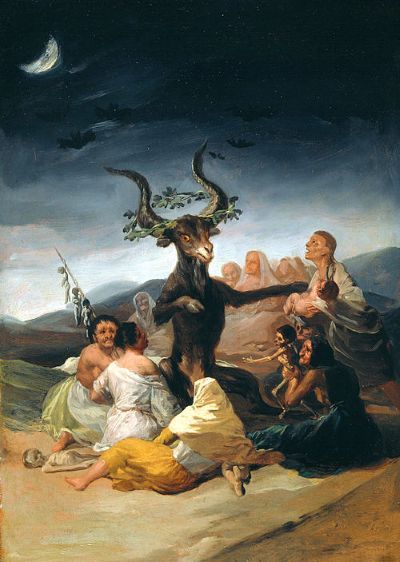
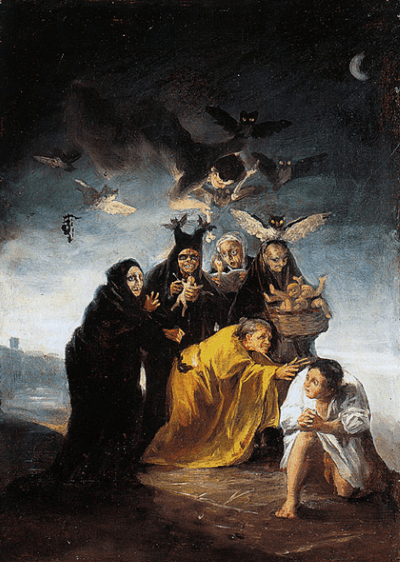
In an environment where aristocracy and culture intertwined, El Capricho was a testing ground for new ideas and artistic movements. In addition to promoting enlightened culture, the Duchess introduced innovations such as the use of baby bottles for infant feeding, which was uncommon at the time. She was also active in the Royal Economic Society of Madrid of Friends of the Country, an enlightened institution dedicated to promoting economic and social progress through the dissemination of knowledge and fostering scientific, cultural, and educational advancement.
Here, architecture and art depict the life of the enlightened nobility.
The El Capricho Palace building consists of three floors and a basement, the layout of which was designed to reflect the lifestyle and needs of the enlightened nobility of the 18th century. The ground floor housed the main reception and ceremony spaces, with a vestibule and a majestic double main staircase that provided access to the noble areas. The main floor, shaped like an H, contained the private rooms of the duchess and her family, including round chambers and ornate rooms, such as the famous state dining room. The upper floor housed the servants’ quarters and offices, while the basement housed technical and storage facilities.
Prominent architects of the time participated in the construction and design of the palace, such as Mateo Guill and Antonio López Aguado, whose neoclassical style brought elegance and functionality to the complex. For example, Antonio López Aguado designed the Casino de Baile, an octagonal neoclassical building located over the well that feeds the artificial estuary, with a spectacular staircase, fountains, and reliefs depicting the seasons.
The interior decoration was carried out by artists such as Juan Adán and José Pagniucci, who introduced classical references that reinforced the connection with Greco-Roman culture and the Enlightenment. Furthermore, the famous painter Francisco de Goya, a close friend of the Duchess, created several works for the palace, including the series of prints “Asuntos de brujas” (Witch Matters), which adorned the library. These works reflect both the Duchess’s refined taste and the critical spirit and modernity of the period.
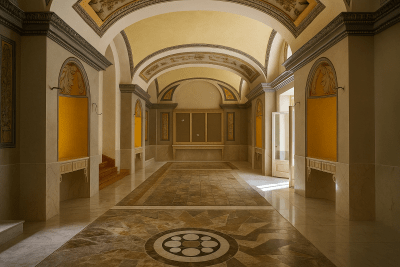
This architectural and artistic complex not only bears witness to the cultural splendor of enlightened Madrid, but also represents a historical legacy preserved intact so that future generations can enjoy and understand a fundamental period in Spanish history.
A walk through art, history, and nature that you can’t miss.
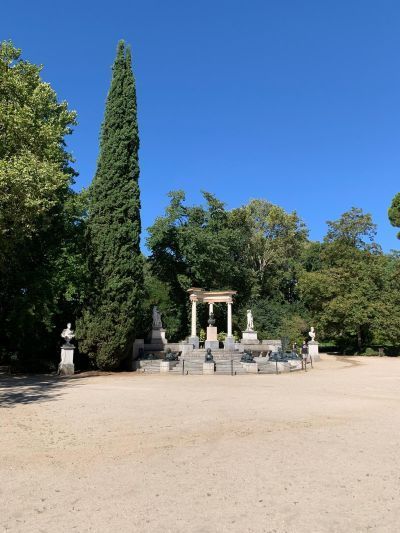
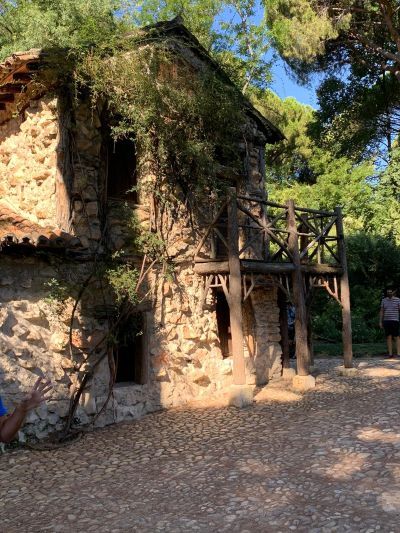
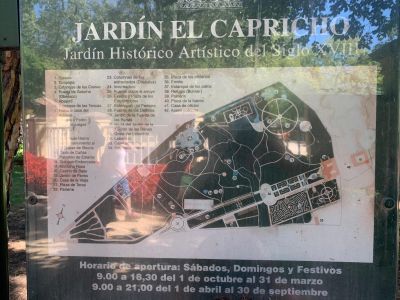
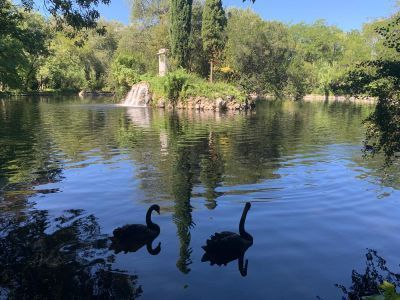
The palace is surrounded by a park unique in Madrid. It boasts 14 hectares of lush landscaping that combines French, English, and Italian gardens, filled with romantic structures or “caprices” (folies) such as the hermitage, the beekeeper’s nest, the Casa de la Vieja (Old House), the small temple, and the labyrinth. Every corner is designed to surprise the visitor and evoke different landscapes or scenes, an almost theatrical experience that is part of the estate’s original character.
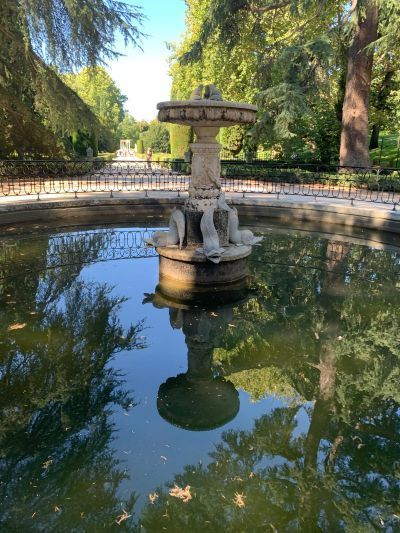
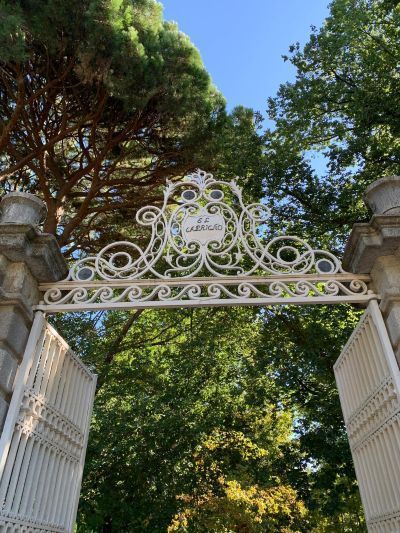
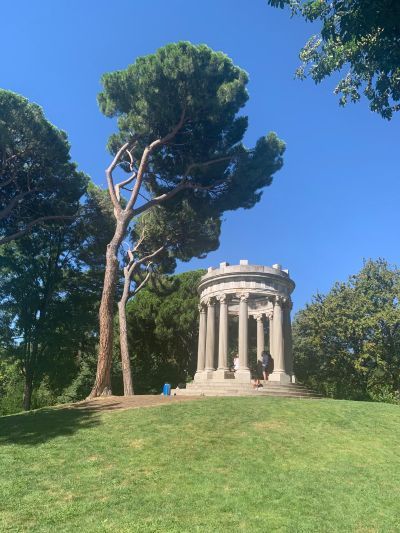
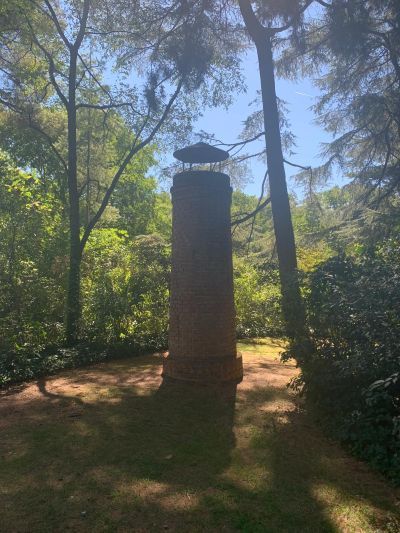
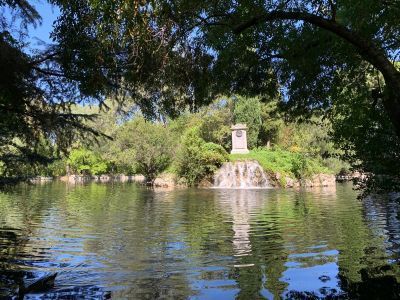
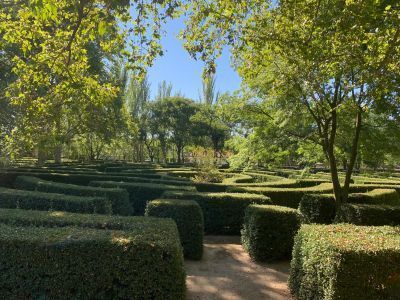
There’s no shortage of anecdotes and curiosities in this space. Did you know that during the Civil War, El Capricho housed a secret bunker and played a strategic role in the conflict? Over the centuries, the palace passed through various owners and was close to being transformed into a hotel, which was ultimately prevented by its public acquisition and protection as a Site of Cultural Interest.
The Palace and Garden of El Capricho are enveloped in an atmosphere of Enlightenment and curiosities. The Duchess of Osuna, María Josefa Pimentel, ahead of her time, was one of the most important figures of the Enlightenment in Spain. Her garden was not just a space for leisure, but a reflection of the ideals of the time: reason, nature, and the pursuit of beauty. Unlike Baroque gardens that represented human power and domination over nature, El Capricho de la Duquesa de Osuna celebrates nature in its most “free” and “wild” state. Perhaps knowing this will add a special touch to your visit, so take a close look at several places: the estuary as a unifying and purifying element, the Temple of Bacchus, a deity, or the Casa de la Vieja, believed to have been a party venue for the Duchess. Anecdotes worth mentioning include the horse races that led to the creation of the first hippodrome, or Boccerini himself composing music in the palace.
Currently, access to the park is limited to protect its richness. Access is only permitted on weekends and holidays, capacity is restricted, and food, bicycles, and pets are not allowed. These measures ensure that El Capricho retains its magic and its artistic and environmental value.
A space for culture, memory and art.
With its upcoming opening in 2027, El Capricho Palace will be a living tribute to the memory of the Duchess of Osuna and the splendor of Madrid’s Enlightenment.
The project to transform this palace into a museum includes the creation of sensory exhibits, archives, activity rooms, a hybrid library (online and virtual), and music and theater rooms.
Visitors will be able to tour the palace following the original layout of its spaces, discovering the rooms that hosted social gatherings, art exhibitions, and social celebrations. Particularly symbolic will be a visit to the room of Goya’s paintings, firsthand accounts of a Madrid that looked to Europe and dreamed of modernity.
El Capricho is reborn for Madrid and the world as a place where history, art, nature, and curiosity converge. A project that, after more than two centuries, once again vibrates with the energy of culture and innovation.
At Tour Time, we are very excited about the upcoming opening of El Capricho Palace as a cultural museum. We hope to soon join you on guided tours filled with history, art, and fascinating secrets of this unique place in Madrid. Don’t miss the opportunity to discover with us this artistic and architectural revival, which will soon be open to the public.
Guided visits and tours of the park and the palace are a recommended experience for those who enjoy culture and history in Madrid. Did you know that admission is free? Click here for more information on visiting the palace. Click here to locate the Osuna Palace on Google Maps.
