


 IT-
IT- ES-
ES- FR-
FR-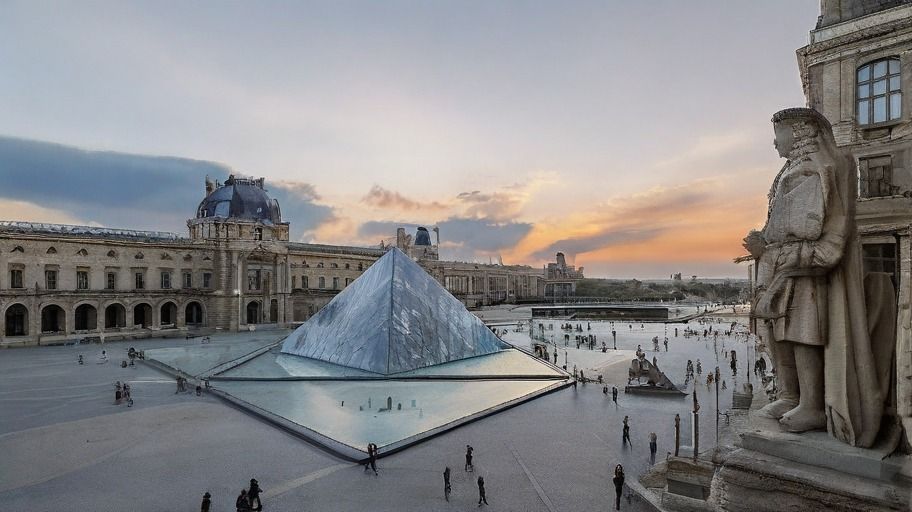
In the vast landscape of world culture, museums play a fundamental role as guardians and exponents of human heritage. From iconic masterpieces to historical artefacts, these sanctuaries of knowledge invite us to explore the richness and diversity of our cultural roots.
In this article, we delve into the ten most prominent museums in the world, revealing their historical, cultural, and artistic significance. We begin with the most renowned, the Louvre Museum in Paris.
The Louvre museum, the most renowned
The Louvre Museum, located in the romantic city of Paris, is a true cultural oasis. A place where the past and present merge into a unique and unforgettable experience.
Its imposing architecture, which combines classical and modern elements, is a reflection of the historical and artistic richness it houses within. From the iconic glass pyramid designed by Ieoh Ming Pei to the majesty of the Louvre Palace, every corner of the museum is steeped in history and beauty.
The Louvre’s galleries host one of the most comprehensive art collections in the world. More than 35,000 works of art spanning from Antiquity to the 19th century, including pieces by artists such as Leonardo da Vinci, Michelangelo, Rembrandt, and Vermeer.
Undoubtedly, the museum’s most famous work is the Mona Lisa, the enigmatic Gioconda that has fascinated millions over the centuries. But the Louvre is not limited to a single masterpiece. Among its treasures are also the Venus de Milo, the Winged Victory of Samothrace, the Code of Hammurabi, and the Great Sphinx of Tanis, to name just a few.
Visiting the Louvre is not just a cultural experience; it is a journey through time and space. A tour through the different civilisations that have left their mark on the world. An encounter with human creativity and genius at its finest.
Interesting facts about the Louvre:
– The Louvre is the largest museum in France and the most visited in the world.
– The museum’s collection is divided into eight departments: Near Eastern Antiquities, Egyptian Antiquities, Islamic Art, Sculptures, Paintings, Decorative Arts, Prints and Drawings, and Greek, Etruscan and Roman Antiquities.
– The Louvre offers a wide variety of activities for its visitors, including guided tours, workshops, lectures, and special events.
The museum is open every day except Tuesdays, and on January 1st, May 1st, and December 25th.
The Hermitage museum: A journey through time and space
The Hermitage Museum, located in the majestic city of Saint Petersburg, Russia, is one of the most important art galleries in the world. A place where art and culture merge into a unique and unforgettable experience.
Its imposing architecture, which spans five historic buildings on the banks of the Neva River, reflects the grandeur and historical richness of Russia. From the Winter Palace, the official residence of the Tsars for over two centuries, to the General Staff Building, every space in the museum is imbued with beauty and magnificence.
The Hermitage’s collection is as vast as it is diverse. Over three million artworks spanning from prehistory to the 20th century, including pieces by artists such as Leonardo da Vinci, Michelangelo, Rembrandt, Van Gogh, and Picasso.
Undoubtedly, one of the main attractions of the museum is the Treasure Gallery, which houses an impressive collection of jewellery, gold, and precious stones. But the Hermitage is not confined to a single gallery. Among its treasures are also the largest collection of Impressionist art outside France, an extensive collection of arms and armour, and a wide variety of decorative art objects.
Visiting the Hermitage is not just a cultural experience; it is a journey through time and space. A tour through the different cultures and civilisations that have left their mark on the world. An encounter with human creativity and genius at its finest.
Here are some additional interesting facts:
– The Hermitage is the second largest museum in the world by surface area.
– The museum’s collection is divided into 49 departments, including Painting, Sculpture, Decorative Arts, Archaeology, and Numismatics.
– The Hermitage offers a wide range of activities for visitors, including guided tours, workshops, lectures, and special events.
The museum is open every day of the year except Mondays, January 1st, and May 9th.
The National museum of anthropology: A journey through Mexico’s past
The National Museum of Anthropology, located in Mexico City, is one of the most important museums in Latin America. A place where the past and present merge into a unique and unforgettable experience.
Its modern and functional architecture, designed by the renowned architect Pedro Ramírez Vázquez, reflects the importance of Mexican culture in the 20th century. The museum is divided into two main sections: the Anthropology Hall and the History Hall.
The Anthropology Hall houses one of the most comprehensive collections of pre-Hispanic art in the world. Over 40,000 pieces spanning from the Preclassic period to the colonial era, including artefacts from the Olmec, Maya, Aztec, and Teotihuacan cultures.
Undoubtedly, one of the museum’s main attractions is the Sun Stone, a large Aztec calendar dating back to the 13th century. But the National museum of Anthropology is not limited to a single piece. Among its treasures are also the Mask of Death from Teotihuacan, the Tomb of Pakal, and the Maya Hall.
Visiting the National museum of Anthropology is not just a cultural experience; it is a journey to the heart of Mexico. A tour through the different cultures and civilisations that have left their mark on the country. An encounter with the creativity and ingenuity of the Mexican people.
The History Hall of the National museum of Anthropology is a fascinating journey through Mexico’s past. A tour that spans from the pre-Hispanic era to the 20th century, narrating the country’s history through a vast collection of objects, documents, and audiovisuals.
The hall is divided into six sections:
– Prehistory: This section presents the first inhabitants of Mexico, from hunter-gatherers to the earliest agricultural cultures.
– Classic Cultures: In this section, you will find objects from the great Mesoamerican cultures such as the Olmecs, Mayas, Aztecs, and Teotihuacans.
– Colonial Mexico: This section presents the history of Mexico during the colonial period, from the Spanish conquest to Independence.
– Independent Mexico: This section narrates the history of Mexico from Independence to the Mexican Revolution.
– Modern Mexico: This section presents the history of Mexico from the Mexican Revolution to the 20th century.
The History Hall of the National museum of Anthropology is an invaluable tool for understanding the history of Mexico. A space that invites reflection and learning, allowing us to better understand the country’s present.
You might be interested to know:
– The National museum of Anthropology is the most visited museum in Mexico.
– The museum’s collection is divided into 23 permanent exhibition halls.
– The museum offers a wide variety of activities for its visitors, including guided tours, workshops, lectures, and special events.
The museum is open every day except Mondays.
The British museum: Where past and present merge
The British museum, located in the heart of London, is one of the most important and visited museums in the world. A place where the past and present merge into a unique and unforgettable experience.
Its imposing architecture, combining classical and modern elements, reflects the historical and cultural richness it houses within. From the majestic neoclassical façade to the Great Court covered by a spectacular glass roof, every space in the museum is imbued with beauty and grandeur.
The British museum’s collection is as vast as it is diverse. More than eight million objects spanning from prehistory to the present, including pieces from cultures around the world, from Mesopotamia and Egypt to China and Latin America.
Undoubtedly, one of the museum’s main attractions is the Rosetta Stone, a granodiorite stele dating from the 2nd century BC that was key in deciphering Egyptian hieroglyphs. But the British museum is not limited to a single piece. Among its treasures are also the Parthenon Marbles from Athens, the Mummy Room, the Sculpture of Ashurnasirpal II, and the collection of Roman artefacts.
Visiting the British museum is not just a cultural experience; it is a journey through time and cultures. A tour through the different civilisations that have left their mark on the world. An encounter with human creativity and ingenuity.
Here are some additional facts:
– The British Museum is the largest museum in the United Kingdom and the third most visited museum in the world.
– The museum’s collection is divided into eight departments: Near Eastern Antiquities, Egyptian Antiquities, Islamic Art, Sculptures, Paintings, Decorative Arts, Art Objects, and Coins and Medals.
– The British museum offers a wide variety of activities for its visitors, including guided tours, workshops, lectures, and special events.
The museum is open every day except Fridays, 24th, 25th, and 26th December, and 1st January.
The Metropolitan museum of art: The cultural oasis in the heart of New York
The Metropolitan museum of art, known as the Met, is a cultural oasis in the heart of the vibrant city of New York. A place where the past and present merge into a unique and unforgettable experience.
Its imposing architecture, combining classical and modern elements, reflects the historical and cultural richness it houses within. From the majestic Beaux-Arts façade to the elegant glass roof of the Great Hall, every space in the museum is imbued with beauty and grandeur.
The Met’s collection is diverse. More than two million works of art spanning from prehistory to the present, including pieces from cultures around the world, from Mesopotamia and Egypt to China and Latin America.
Undoubtedly, one of the museum’s main attractions is the Temple of Dendur, a 2nd-century BC Egyptian temple that was carefully dismantled and reconstructed inside the museum. But the Met is not limited to a single piece. Among its treasures are also samurai armour, the Impressionist and Post-Impressionist art collection, the Jewellery Hall, and the collection of musical instruments.
A tour through the different civilisations that have left their mark on the world. An encounter with human creativity and ingenuity.
You might be interested to know:
– The Met is the largest museum in the United States and the second most visited in the world.
– The museum’s collection is divided into 17 departments, including Ancient Near Eastern Art, Egyptian Art, Greek and Roman Art, Medieval Art, Islamic Art, African Art, Asian Art, Paintings, Sculptures, Decorative Arts, Photography, Musical Instruments, Costumes and Textiles, and Arms and Armour.
– The Met offers a wide variety of activities for its visitors, including guided tours, workshops, lectures, and special events.
The museum is open every day except Mondays, Thanksgiving Day, and 25th December.
The Prado museum: The history of spanish art
The Prado museum, located in the vibrant city of Madrid, is one of the most important art museums in the world. A place where the past and present merge into a unique and unforgettable experience.
Its imposing architecture, combining classical and neoclassical elements, reflects the historical and cultural richness it houses within. From the majestic façade facing the Plaza de Neptuno to the elegant exhibition halls, every space in the museum is imbued with beauty and grandeur.
The Prado museum boasts an extensive and diverse collection that spans a wide range of styles and periods. More than 35,000 works of art from the Middle Ages to the 19th century, including pieces by renowned artists such as Velázquez, Goya, El Greco, Titian, Rubens, and Van Dyck.
Undoubtedly, one of the museum’s main attractions is its collection of works by Francisco de Goya, considered the most complete in the world. But the Prado is not limited to a single artist. Among its treasures are also Velázquez’s Las Meninas, El Greco’s The Nobleman with his Hand on his Chest, Rubens’ The Three Graces, and Bosch’s The Garden of Earthly Delights.
A tour through the various artistic movements that have left their mark on the country. An encounter with the creativity and ingenuity of the Spanish people.
Here are some additional facts you might find interesting:
– The Prado museum is the most visited museum in Spain and one of the most visited in the world.
– The museum’s collection is divided into seven departments: Spanish Painting, Italian Painting, Flemish Painting, Sculpture, Decorative Arts, Drawings and Prints, and Numismatics.
– The Prado museum offers a wide variety of activities for its visitors, including guided tours, workshops, lectures, and special events.
The museum is open every day except Mondays, 24th, 25th, and 31st December, and 6th January.
Tour Time organises guided tours of the Prado museum. Visit to learn more.
The Reina Sofía museum, a journey through modern and contemporary art.
The Reina Sofía museum, located in the heart of Madrid, is one of the most important modern and contemporary art museums in the world.
Its architecture, a blend of historical and modern styles, reflects the diversity of the works it houses inside. From the imposing façade of the old General Hospital of San Carlos to the modern extension of the Nouvel building, every space in the museum is imbued with beauty and majesty.
The richness of the Reina Sofía museum’s collection lies in its vast quantity and diversity of works, covering a wide spectrum of styles and eras. More than 20,000 works of art spanning from the late 19th century to the present, including pieces by artists such as Picasso, Dalí, Miró, Gris, Juan Gris, Chillida, Tàpies, and many more.
Undoubtedly, one of the main attractions of the museum is Picasso’s Guernica, one of the most important works of art of the 20th century. But the Reina Sofía is not limited to a single artist.
Visiting the Reina Sofía museum is not just a cultural experience, it is a journey through the history of modern and contemporary art. A tour through the different artistic movements that have left their mark on the world. An encounter with human creativity and ingenuity.
Some additional details that might be useful:
– The Reina Sofía museum is the second most visited museum in Spain and one of the most visited in the world. – The museum’s collection is divided into four areas: 20th Century Art, 21st Century Art, Collections and Archive, and Documentation Centre. – The Reina Sofía museum offers a wide variety of activities for its visitors, including guided tours, workshops, lectures, and special events.
The museum is open every day except Mondays, December 24, 25, and 31, and January 6.
Tour Time also offers guided tours to the Reina Sofía museum, visit to find out more.
Tate Modern, creativity without limits.
London, a vibrant and multicultural city, is home to one of the most renowned modern and contemporary art temples in the world: Tate Modern. Located on the south bank of the River Thames, this imposing building stands as a beacon of creativity, inviting visitors to immerse themselves in a universe of boundless artistic expression.
Its collection ranges from Impressionism to conceptual art, spanning more than a century of history and offering a unique panorama of the avant-garde movements that have transformed our vision of the world. Works by Picasso, Dalí, Matisse, Warhol, and many other masters are among its treasures, captivating art lovers with their power and originality.
But Tate Modern is not just a museum of masterpieces. It is a dynamic space that embraces innovation and experimentation, with temporary exhibitions that challenge conventions and generate new perspectives. Additionally, it offers a comprehensive educational programme that includes workshops, lectures, performances, and special events, making it a cultural hub of reference in the city.
Beyond its collection and activities, Tate Modern seduces with its architecture. The transformation of a former power station into a museum space is an example of reinterpretation and urban renewal. The imposing structure of brick and steel, with its vast spaces and panoramic views of the Thames, creates a unique environment that invites exploration and discovery.
Visiting Tate Modern is an experience that goes beyond contemplating works of art. It is a journey through human creativity in all its forms, an invitation to reflect on the past, present, and future of art. An encounter with the unexpected, the challenging, and the inspiring.
Here are some additional facts that might interest you:
– Tate Modern is the most visited modern art museum in the world, with over 5 million visitors a year.
– The museum’s collection includes more than 70,000 works of art.
– Tate Modern offers a wide variety of activities for its visitors, including guided tours, workshops, lectures, and special events.
The museum is open every day except Mondays.
The Egyptian museum in Cairo: A journey through time
The Egyptian museum in Cairo is a must-visit for any lover of Egyptian history and culture. Founded in 1902, it houses the largest collection of Egyptian antiquities in the world, with over 120,000 pieces on display.
The museum features a wide variety of objects, from mummies and sarcophagi to statues, jewellery, and everyday items. Among the most famous pieces are Tutankhamun’s mask, the Rosetta Stone, and the Statue of Khafre.
It is located in a neoclassical building designed by the French architect Marcel Dourgnon. The building itself is a work of art and worth visiting for its architecture.
The museum has a unique atmosphere that transports you to the ancient Egyptian civilisation. As you walk through the rooms, you can imagine what life was like in ancient Egypt.
Tips for your visit:
– Purchase your ticket online in advance to avoid queues.
– Wear comfortable clothing and flat shoes, as you will be walking a lot.
– Rent an audio guide for more information about the exhibited pieces.
Don’t miss the Mummy Room.
The Rijksmuseum: A treasure in the heart of Amsterdam.
In the city of Amsterdam, the Rijksmuseum epitomises Dutch art and is a cultural gem of the Netherlands.
The Rijksmuseum houses an exceptional collection of Dutch art and history spanning from the Middle Ages to the present day.
The Rijksmuseum treasures some of the most famous artworks in the world, such as Rembrandt’s “The Night Watch,” Vermeer’s “The Milkmaid,” and Bosch’s “The Garden of Earthly Delights.”
The museum boasts an extensive collection of Dutch art, including paintings, sculptures, drawings, prints, and crafts.
The Rijksmuseum’s Gallery of Honour is a unique space within the museum, a kind of elongated corridor leading you to a focal point: Rembrandt’s “The Night Watch.”
Along this corridor, masterpieces of 17th-century Dutch painting are displayed, including artists like Frans Hals, Jan Steen, Pieter Bruegel the Elder, and Jacob van Ruisdael.
The Rijksmuseum, one of the most important museums in the world, is housed in a monumental 19th-century building. This work of art itself is worth visiting not only for the pieces it holds but also for its architecture.
Temporary exhibitions are an excellent way to complement your visit to the museum and deepen your knowledge of Dutch culture.
The order I have established in the list of the 10 most important museums in the world is a combination of several factors:
– The first five museums (Louvre, Hermitage, National museum of Anthropology, British museum, and Metropolitan museum of Art) are considered the most important in the world by most experts.
– The Prado museum and the Reina Sofía museum are two of the most important museums in Spain and enjoy great international prestige.
– Tate Modern is the national gallery of modern and contemporary art in the United Kingdom and one of the most important in the world.
– The Egyptian museum in Cairo houses the largest collection of Egyptian antiquities in the world, making it a must-visit museum for lovers of Egyptian history.
The Rijksmuseum is the national museum of the Netherlands and houses a collection of highly valuable Dutch artworks.
Museums: Windows to the past and the future
Museums are more than mere exhibition spaces. They are portals that transport us to other eras, allowing us to know and understand the richness of the past. Through works of art, historical objects, and various exhibitions, we can experience life in different cultures and moments in history.
Culture is the soul of humanity, and museums are its guardians. They preserve the collective memory, transmitting knowledge and values from generation to generation. Visiting a museum is not only an act of entertainment but also an opportunity to learn, reflect, and connect with our past.
In an increasingly globalised world, museums remind us of the importance of cultural diversity. They teach us that there is no single way to view the world and that richness lies in variety. By visiting museums from different cultures, we can develop tolerance, empathy, and respect for difference.
Museums are an inexhaustible source of knowledge and inspiration. They are places where we can learn about the past, reflect on the present, and dream of the future. Visiting a museum is an experience that enriches us as individuals and helps us better understand the world around us.
I invite you to explore the museums of the world. Open your mind to new experiences and discover the richness of the past. In each museum, an adventure awaits you, a journey through time and space that will change you forever.
The Tour Time team would love to tour all these museums; it would be a dream. But we are from Madrid, so we can invite you to visit two of the museums mentioned in this article, The Prado museum and The Reina Sofía museum. When you visit a museum, immerse yourself in history and art, and there is no better way to do it than accompanied by a specialised tour guide to make your experience complete. If you want this type of experience, do not hesitate to ask us about the prices of our tours and museum visits.
